We’d love to hear from you — whether you have a project in mind, or just want to say hi.
info@upeoconsulting.com
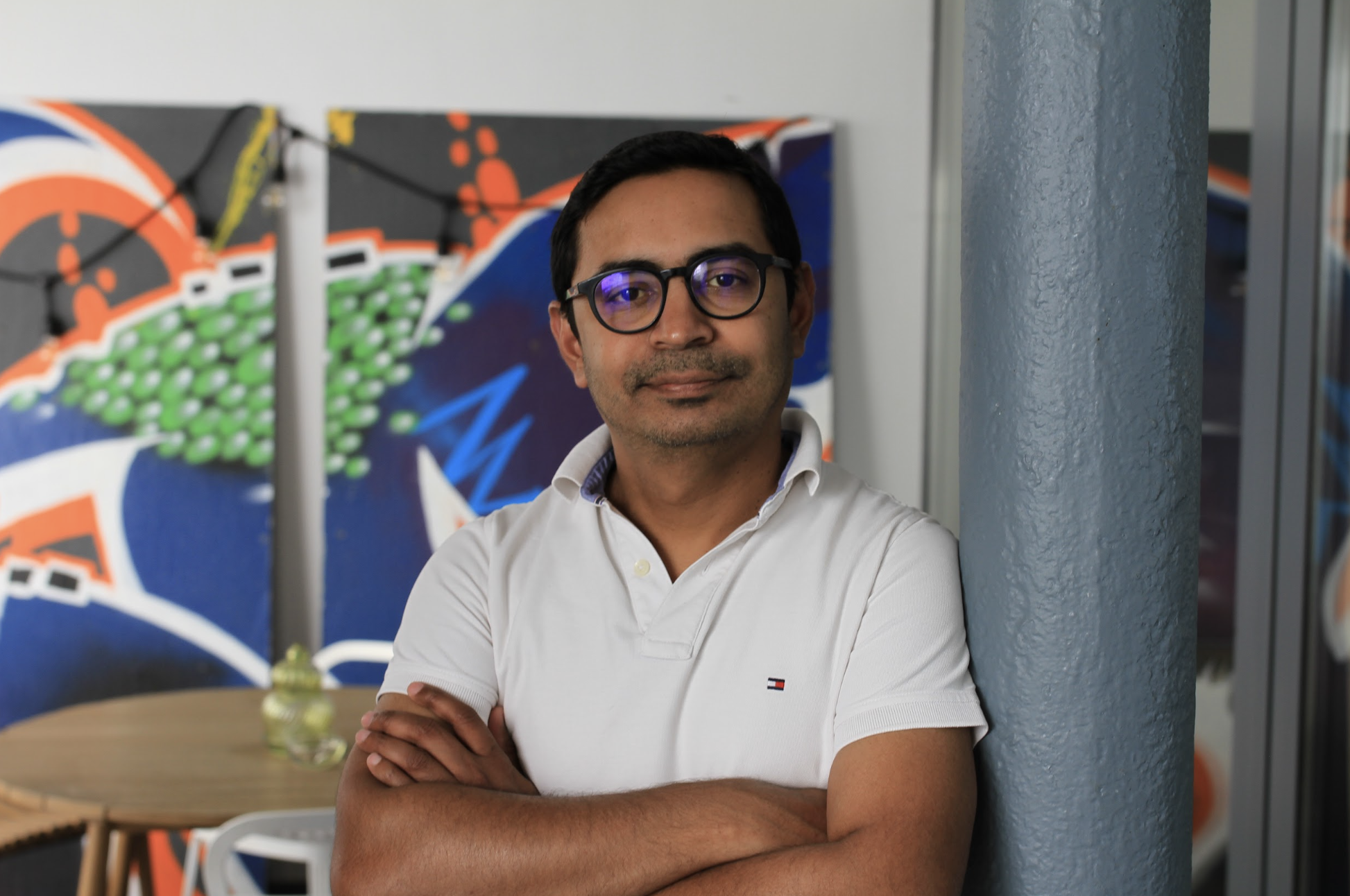
When you talk to Uma Brahmanayagam, one thing quickly becomes clear: he values freedom and variety just as much as technical depth. After a career in large organisations like Accenture, where he specialised as a technical architect, Uma decided to take a different path. Today, as a freelance Salesforce Architect working at UPEO, he thrives in a role that offers him the freedom to own projects from start to finish and the flexibility to balance a fulfilling career with his passions outside of work.
If you had to explain your job to your parents or grandparents, how would you describe it?
Uma: I actually do explain my work regularly to someone who is not a technical expert: my 12-year old daughter. I tell her that I help companies work more efficiently. We implement applications and tools so that people can do their jobs better and faster. That’s essentially what I do: talk to clients, understand their needs and implement the best possible solutions for them.
From defined roles to end-to-end ownership
That sounds like many roles at the same time: business analyst, architect, consultant,… You wear many different hats?
Uma: That’s what I like about working at UPEO. In my previous jobs, my role was very defined. I was a technical architect, working closely with functional people but almost never really involved in the end-to-end process. At UPEO it’s very different. Because it’s a smaller company, I often handle the whole process myself: talking to the client, understanding the requirements, designing the solution and implementing it. I actually prefer this, because I get the requirements firsthand, I do the work myself, and I can adjust quickly if something isn’t right. There’s no ‘second-hand information’, everything is direct.
You work as a freelancer. What do you enjoy about being a freelancer rather than a full-time employee?
Uma: Freedom and flexibility. I currently work three days a week for UPEO, and I can choose which days, as long as I get the job done and the client is well served. That flexibility is important because my wife also works full-time and we have a child, so we balance things out together. At previous companies, I had to be present five days a week. As a freelancer, I decide when I work, and that makes a big difference.
What does a typical project or client collaboration look like for you?
Uma: The bulk is with one long-term client. They create tickets in our service portal, and Chris and I go through them together. Most of the time, I handle them, but sometimes if it involves heavy development, I collaborate with colleagues. It’s not like a big one-off project where you implement something and then leave. It’s an ongoing collaboration where we improve their system step by step. I like that kind of work. It keeps things moving and makes a real difference for the client.